

paper Archive
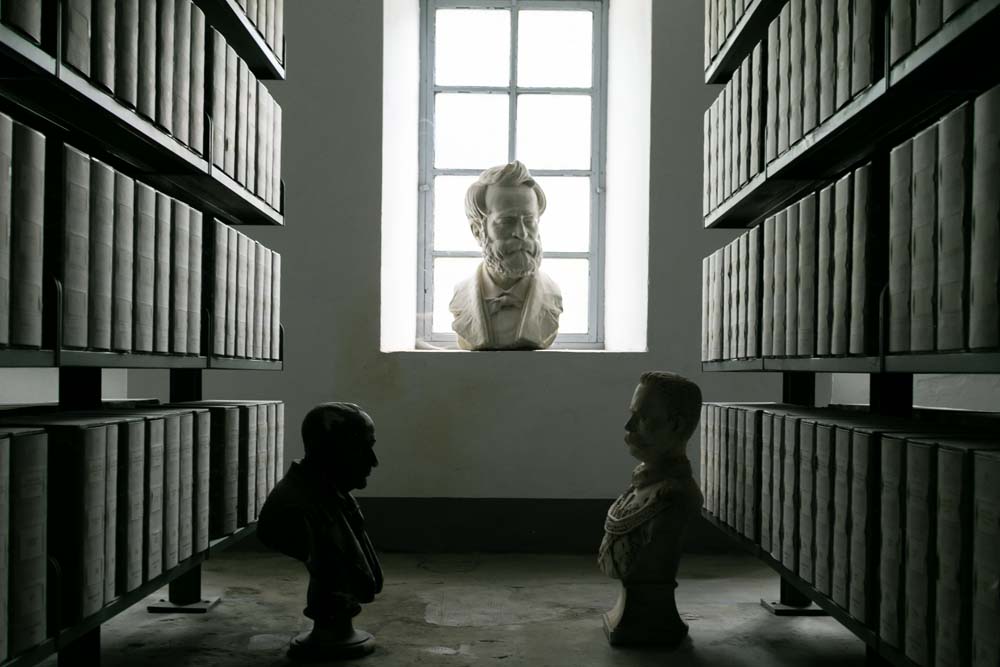
Fondazione Sella was established in Biella in 1980 as a repository for “the preservation of knowledge, the valorisation of the records and the moral and creative patrimony of the Sella family of Mosso, descendants of Bartolomeo Cravello Sella who lived towards the end of the XVI century“. Besides the documents which originally constituted the Sella San Gerolamo Archive, and which at Quintino’s request were deposited at the monastery of San Gerolamo, further archival collections have been donated by families, firms or organisations, substantially increasing the original archival patrimony.
The Statute claims to “collect, preserve and valorise documents, documentary material and publications associated with the Biellese and Piedmont, as well as documentation that the Foundation wishes to acquire in order to pursue its objectives“.
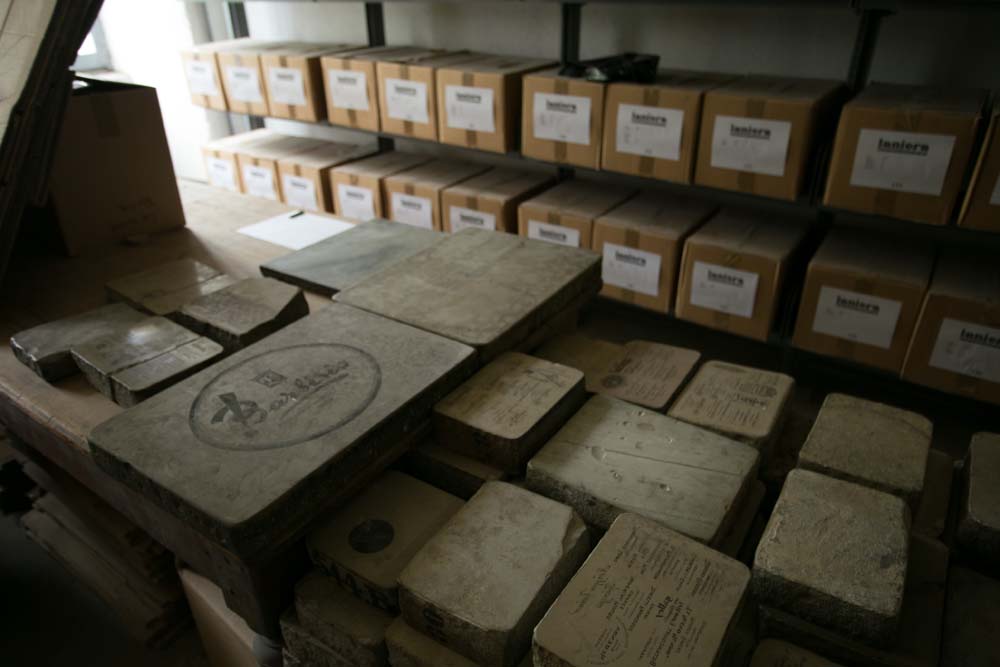
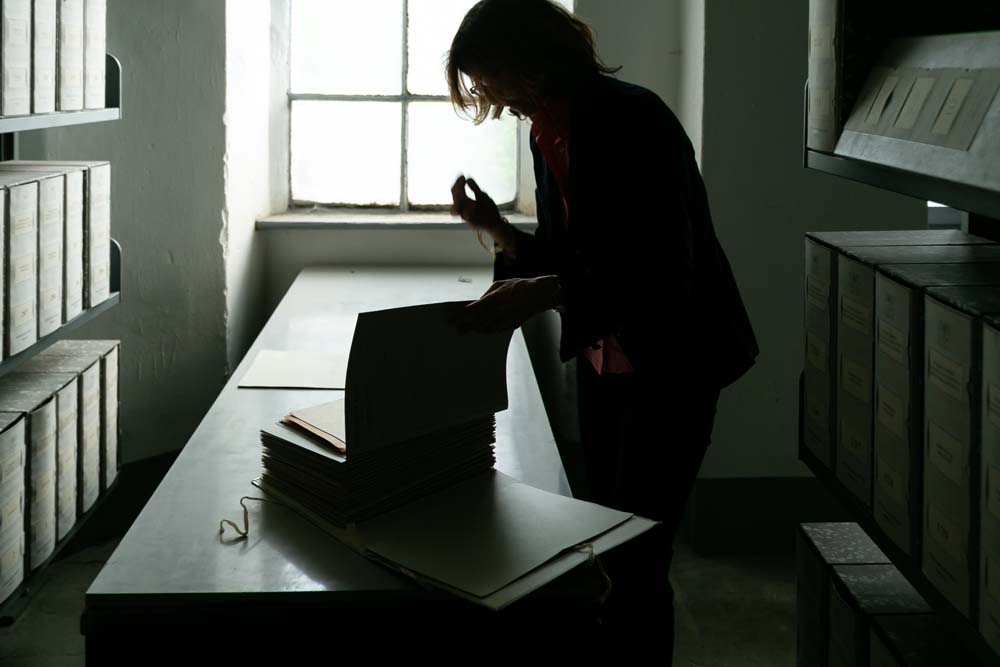
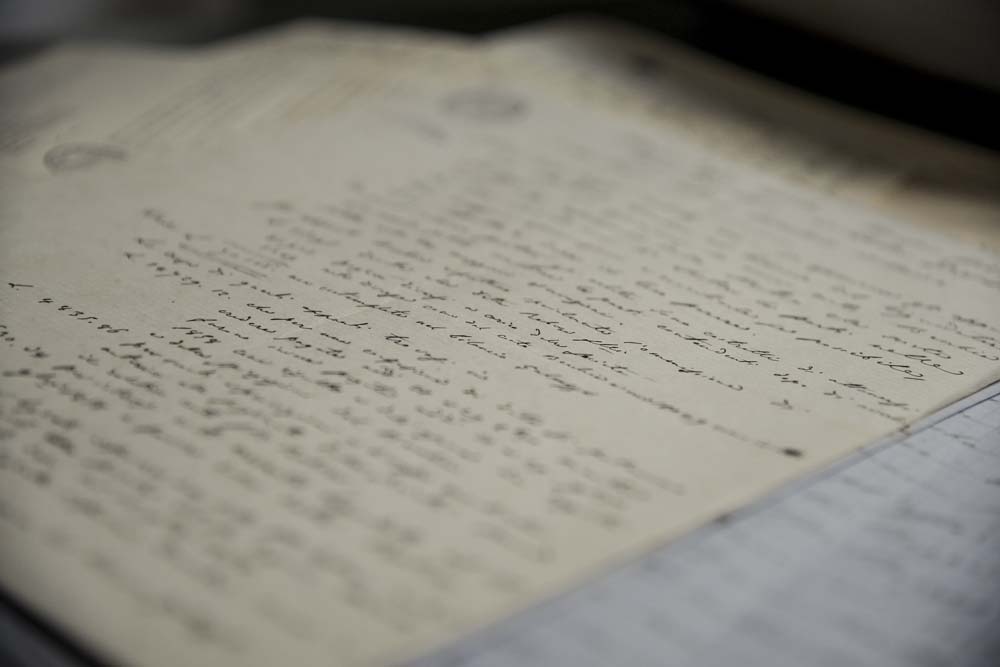
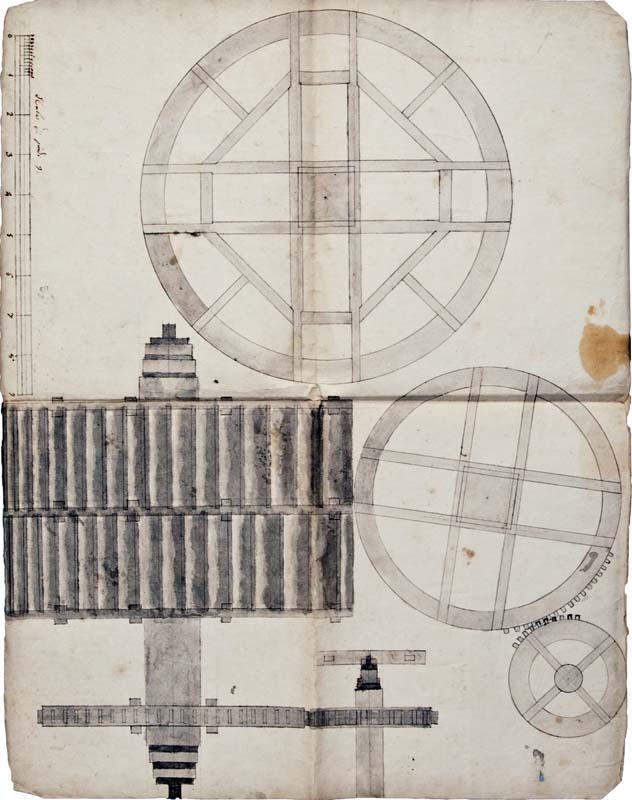
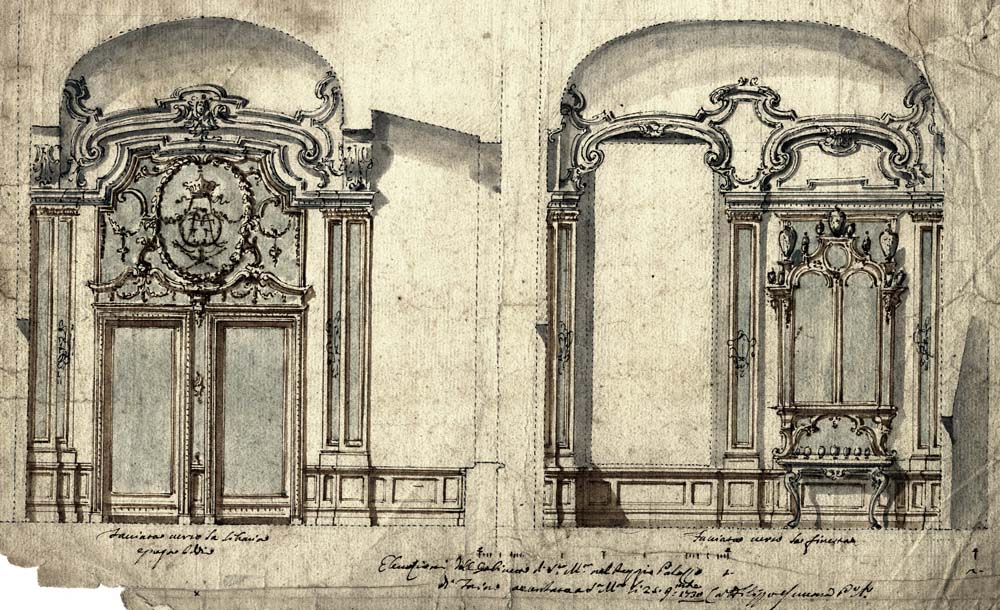
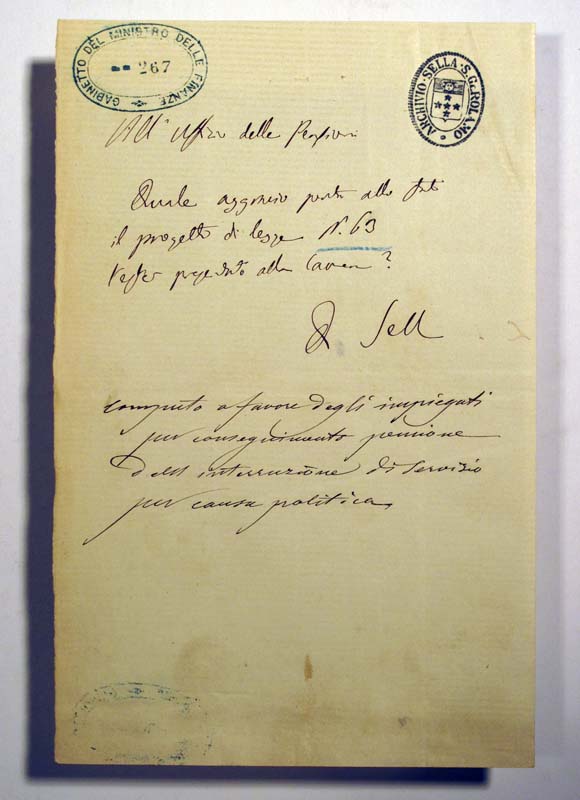
The Sella family archive is a substantial collection of documents relating to the Sella family from the Upper Valley Mosso, one branch of which moved to Biella after Maurizio Sella opened the wool mill of the same name in 1835. Of particular importance and size is the collection of the papers of Quintino Sella (1827-1884), scientist, statesman and three times Minister of Finance, and those of his brother Giuseppe Venanzio Sella (1823-1876), entrepreneur and chemist, author of the first treatise on photography published in Italy. Also worthy of note are the papers of the Maurizio Sella Wool Mill, with documents referring to the wool business of the previous families, from 1763 to the early Nineteen Sixties. Such extensive documentation, rarely found in Italy, consists of 130 samples books, 1900 factory books, 349 maps, plans and drawings and 2420 files of documents.
Of particular importance among the collections acquired by Fondazione Sella are the 3102 files of the historic archive of the Association of the Italian
Wool Industry documenting its operations from 1877 to 1984, as well as the professional and personal papers of four generations of architects and engineers from the Maggia family of Biella, from the end of the eighteenth to the end of the twentieth century.
The photographic collection consists of about 450,000 plates from the Rossetti Photographic Studio – operative in Biella from 1880 to 1980 and in Vallemosso from 1887 to 1955 – and the collections on the subject of mountains and explorations which make the Foundation a point of reference in this field for experts from all over the world. Of special interest: the photographic work of Vittorio Sella (1859-1943), mountaineer and photographer; the collection of negatives of photographer mountaineer Mario Piacenza (1884-1957); a significant selection of photographs by Vittorio Besso (1828-1895); the collection of Agostino Ferrari (1896-1935), which contains more than 40.000 original prints that systematically document the Alpine range with shots taken by the greatest photographers of his time. There is also a large number of authors of various epochs and importance about whom more information can be found in the Photo library section of this website.